

Introduction
Industrial valve automation plays an important role in controlling the movement of fluids, gases, steam, and other process media across demanding operating environments. Refineries, marine facilities, offshore platforms, power systems, and process plants often require dependable valve actuation to improve operational control and reduce the need for continuous manual intervention. Electric actuators provide a practical solution by converting electrical energy into controlled mechanical movement for opening, closing, or positioning valves. The requirements, however, can vary considerably between a refinery, a marine vessel, and an offshore installation. Temperature, humidity, salt exposure, vibration, hazardous areas, maintenance requirements, and available power must all be considered when selecting an actuator.
An Electric Actuator for Refineries is generally selected for process valves that require reliable and repeatable automated operation. In marine environments, a Marine Electric Actuator needs to withstand moisture, vibration, corrosion, and changing operating conditions. Meanwhile, an Offshore Valve Actuator must be capable of performing reliably in exposed environments where access for maintenance can be difficult. Understanding these application-specific requirements helps engineers choose an appropriate actuator configuration and improve the overall performance of an automated valve system.
Understanding Electric Valve Actuators
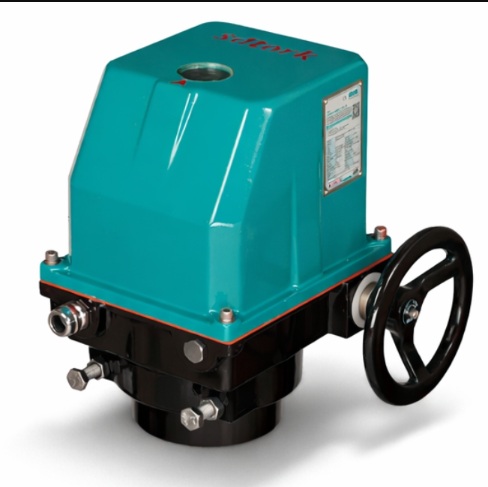
An electric valve actuator is a motor-driven mechanical device designed to operate a valve. Depending on the design, it can provide rotary or linear movement. Rotary actuators are commonly used with valves such as butterfly, ball, and plug valves, while linear actuation can be suitable for certain globe, gate, or specialized control applications.
The actuator receives an electrical command and converts the motor’s rotational energy into mechanical output. Depending on the application, the actuator may provide simple open-and-close operation or more precise positioning. Limit switches, torque protection, position feedback, local controls, and communication interfaces can be integrated into an automated system.
For industrial facilities, selecting the actuator requires more than checking the motor rating. Valve torque, operating cycle, environmental conditions, enclosure protection, hazardous-area requirements, control philosophy, and maintenance accessibility should all be evaluated before installation.
Electric Actuator for Refineries
An Electric Actuator for Refineries is designed to support automated valve operation throughout demanding petroleum and petrochemical processing environments. Refineries contain numerous processes involving crude oil, refined fuels, chemicals, steam, hydrocarbons, and other media. Automated valves are used throughout these processes to regulate flow, isolate equipment, and support safe and efficient plant operation.
Actuators used in refinery applications may operate valves associated with pipelines, storage systems, process units, cooling systems, utility lines, and other equipment. Depending on the application, the actuator may need to provide frequent operation, precise positioning, or reliable emergency isolation.
Hazardous-area classification is particularly important in refinery environments. Where flammable gases or vapors may be present, electrical equipment must be appropriately selected and certified for the applicable hazardous area. Engineers should therefore evaluate the required protection concept and applicable standards before specifying an actuator.
Important Refinery Actuator Requirements
Refinery applications can expose equipment to high temperatures, chemicals, dust, vibration, and potentially hazardous atmospheres. An Electric Actuator for Refineries should therefore be selected according to the actual conditions surrounding the valve rather than simply choosing an actuator based on nominal valve size.
Torque requirements are another important consideration. The actuator needs sufficient output torque to operate the valve under expected process conditions while avoiding unnecessary oversizing. Excessive torque can create mechanical problems, while insufficient torque can prevent the valve from reaching the required position.
Reliable position indication can also be valuable in refinery automation. Feedback systems can allow operators or control systems to determine whether a valve is open, closed, or positioned at a particular intermediate point. This can improve process visibility and support automated control strategies.
Marine Electric Actuator
A Marine Electric Actuator is designed for valve automation on ships, vessels, marine processing systems, and other applications exposed to challenging maritime conditions. Saltwater, humidity, condensation, vibration, limited equipment space, and frequent temperature changes can create demanding conditions for electrical and mechanical equipment.
Marine valve actuators may be used in ballast systems, cooling-water systems, fuel systems, firefighting arrangements, ventilation systems, seawater handling, and other shipboard applications. Depending on the vessel and system, actuators may need to operate valves reliably despite vibration and restricted access.
Corrosion resistance is particularly important. Marine equipment can be exposed to salt-laden air and moisture for extended periods. Suitable enclosure protection, materials, coatings, seals, and installation practices can help protect the actuator and extend its service life.
Features of Marine Electric Actuators
A Marine Electric Actuator should be evaluated according to the vessel’s operating environment and the valve’s mechanical requirements. Enclosure protection is important because moisture and salt contamination can affect electrical components if the actuator is inadequately protected.
Compact construction can also be valuable in marine installations because machinery spaces often have limited room. An actuator that provides the necessary torque while fitting within the available installation space can simplify equipment layout and maintenance.
Vibration resistance is another consideration. Marine equipment may experience continuous vibration from engines, pumps, compressors, and other machinery. Actuator mounting, mechanical construction, electrical connections, and control components should be appropriate for the expected vibration levels.
Offshore Valve Actuator
An Offshore Valve Actuator is used in applications such as offshore oil and gas platforms, floating production facilities, subsea-related systems, and other installations located in exposed marine environments. Offshore facilities combine many of the challenges found in industrial plants and marine systems.
Salt spray, high humidity, strong winds, temperature changes, vibration, corrosive atmospheres, and difficult maintenance access can all influence actuator selection. Equipment reliability becomes especially important because replacing or repairing components offshore may require significant planning and specialized personnel.
An Offshore Valve Actuator may be installed on isolation valves, process valves, utility systems, water systems, and other automated equipment. Depending on the process, the actuator may need to perform frequent cycles or remain in a particular position for long periods before being operated.
Offshore Environmental Considerations
Environmental protection is a major part of offshore actuator selection. An Offshore Valve Actuator should have an enclosure and sealing arrangement appropriate for the installation environment. Protection against water and dust ingress helps reduce the risk of electrical or mechanical problems.
Corrosion protection should also be considered because offshore installations can expose equipment to saltwater and corrosive atmospheres. Appropriate coatings, stainless-steel components where necessary, protective finishes, and suitable cable-entry systems can contribute to long-term reliability.
Temperature is another consideration. Depending on the location and installation, actuators may experience heat from process equipment or lower temperatures during certain operating conditions. The actuator’s rated operating temperature should therefore be compatible with the actual environment.
Comparing Refinery, Marine and Offshore Applications
Although these three applications all use electric valve actuation, their requirements are not identical. Refineries place significant emphasis on process reliability, hazardous-area suitability, torque requirements, and integration with plant automation. Marine applications place greater emphasis on corrosion resistance, compact design, moisture protection, vibration resistance, and shipboard standards.
Offshore applications combine several of these challenges. An offshore installation may require hazardous-area compatibility while simultaneously dealing with saltwater exposure, vibration, humidity, and difficult maintenance conditions. This makes application-specific engineering particularly important.
| Application | Major Considerations | Typical Requirements |
|---|---|---|
| Refinery | Process and hazardous environment | Torque, certification, reliable positioning |
| Marine | Moisture, salt and vibration | Corrosion protection, compact design, enclosure protection |
| Offshore | Exposed and hazardous environment | Environmental protection, reliability, certification |
The correct actuator is therefore determined by the complete operating environment rather than the valve type alone.
Torque and Valve Compatibility
Correct torque sizing is one of the most important parts of actuator selection. Every valve has specific operating characteristics, and the torque required to move it can vary according to pressure, temperature, fluid properties, seating design, and valve condition.
For an Electric Actuator for Refineries, engineers should evaluate the maximum expected valve torque and operating conditions before selecting the actuator. A suitable safety margin can account for variations in operating conditions without unnecessarily oversizing the equipment.
Similar principles apply to a Marine Electric Actuator and an Offshore Valve Actuator. The actuator must be mechanically compatible with the valve and capable of providing sufficient force throughout its intended operating range. Correct coupling, mounting dimensions, travel limits, and mechanical interfaces are equally important.
Control and Automation Integration
Modern industrial facilities increasingly integrate actuators with centralized control systems. Electric actuators can be operated through local controls, remote signals, programmable controllers, distributed control systems, or other automation architectures, depending on their configuration.
Position feedback can provide useful information to operators and control systems. Additional functions such as torque monitoring, diagnostic information, local indication, and communication interfaces can support more advanced automation.
For refinery, marine, and offshore applications, control integration should be considered during the initial engineering stage. Electrical power requirements, control signals, communication protocols, cable routing, and fail-safe requirements can all influence the final actuator configuration.
Maintenance and Reliability
Regular maintenance can help preserve actuator performance and identify developing problems before they cause unexpected downtime. Maintenance requirements depend on the actuator design, operating frequency, environmental conditions, and manufacturer’s recommendations.
In refinery environments, inspections may focus on electrical connections, enclosure condition, mechanical components, position feedback, and hazardous-area integrity. Marine systems may require additional attention to corrosion, moisture ingress, and vibration-related issues.
Offshore equipment can be particularly challenging to maintain because access may require shutdown planning, specialized personnel, or transportation of replacement components. Consequently, selecting a reliable Offshore Valve Actuator and establishing an appropriate maintenance program can have a significant effect on overall operating efficiency.
Choosing the Right Actuator
Selecting an actuator should begin with a detailed assessment of the application. Engineers should identify the valve type, required torque or thrust, operating cycle, power supply, travel requirements, environmental conditions, control method, and required protection level.
For refinery projects, hazardous-area requirements and process conditions should receive careful attention. For marine projects, corrosion, vibration, moisture, and available installation space may be more important. Offshore projects require an even broader assessment because environmental exposure and maintenance limitations can affect long-term performance.
A Marine Electric Actuator or Offshore Valve Actuator should never be selected solely on price. Initial purchase cost is only one part of the total cost of ownership. Reliability, maintenance requirements, energy use, spare parts availability, installation requirements, and expected service life can all influence the true value of an actuator.
Benefits of Electric Actuation
Electric actuators provide several benefits for industrial valve automation. They can deliver repeatable movement, support remote operation, and integrate with automated control systems. They can also reduce the need for operators to manually access valves located in difficult or potentially hazardous areas.
For refineries, electric actuation can contribute to centralized process control and automated valve management. In marine applications, it can simplify operation of valves located throughout a vessel. Offshore systems can benefit from remote operation when valves are installed in areas that are difficult or hazardous for personnel to access.
When correctly specified, an Electric Actuator for Refineries can support dependable process operation, while appropriately engineered marine and offshore actuator systems can provide similar automation benefits in their respective environments.
Future of Industrial Electric Actuation
Industrial automation continues to evolve as facilities seek better monitoring, greater efficiency, and improved control. Modern electric actuators can incorporate digital feedback, diagnostics, networking, and condition-monitoring capabilities, allowing operators to obtain more information about valve performance.
These developments can be particularly valuable in large refineries and offshore facilities where hundreds or thousands of automated valves may form part of a wider control network. Better diagnostics can help maintenance teams identify unusual torque, positioning problems, or other conditions before they develop into major failures.
Marine automation is also becoming increasingly sophisticated as vessels adopt more centralized monitoring and control systems. As these systems develop, electric actuators are likely to remain an important component of automated fluid-control infrastructure.
Conclusion
Electric valve actuation provides an effective method for automating industrial valves across refineries, marine facilities, and offshore installations. An Electric Actuator for Refineries must address process requirements, valve torque, hazardous-area considerations, and automation integration. A Marine Electric Actuator must be capable of handling moisture, salt exposure, vibration, corrosion, and space limitations. An Offshore Valve Actuator must combine dependable mechanical performance with environmental protection and suitability for demanding offshore conditions.
The best actuator is not necessarily the largest or most expensive option. It is the one correctly matched to the valve, operating environment, control requirements, and maintenance strategy. Careful engineering and proper sizing can improve reliability, reduce maintenance challenges, and support efficient automated valve operation. As industrial facilities continue adopting smarter automation systems, properly designed electric actuators will remain an important part of reliable flow-control solutions.

