

Introduction: Renting a Car in Rwanda, Made Simple
If you want to rent a car Rwanda, the process is easier than many first-time visitors expect. The country is compact, the main roads are well kept, and rental providers in Kigali are used to helping travelers who have never driven in East Africa. Still, a few decisions made early will shape your whole trip: who drives, which vehicle you choose and what the contract actually says.
This guide walks through the process in the order you will experience it, from deciding whether to rent at all, to returning the keys at the end. Think of it as a practical checklist you can follow from your first search to your last fuel stop.
Step 1: Decide Whether Renting Is Right for You
Renting suits some trips better than others.
Renting makes sense if:
- You are visiting several regions, such as Musanze, Lake Kivu and Akagera.
- You travel with a family or group and want to share one vehicle.
- You value flexible timing, such as early starts for gorilla trekking.
- You carry luggage or photography equipment.
Renting may not be necessary if:
- You are staying only in Kigali, where taxis and ride-hailing apps are plentiful.
- You only need a one-off airport transfer.
- You are on a fully guided tour that already includes transport.
Step 2: Choose Self-Drive or a Driver
When you rent a car Rwanda, you will usually be offered two formats.
Self-drive. You collect the car and drive yourself. Rwanda is widely regarded as one of Africa’s more orderly countries for driving, with clear signage and visible enforcement. This suits confident drivers who are comfortable with hills, sharp bends and motorbike traffic.
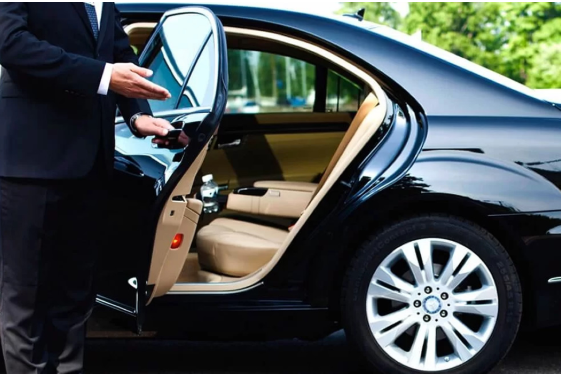
With a driver. The driver comes with the vehicle, usually in a daily package. You can relax, enjoy the scenery and rely on local knowledge of road conditions and park procedures. For short trips and park-heavy itineraries, many visitors find this the better value.
If you are unsure, a hybrid works well: a driver for national park days, and a self-drive car for Kigali and the lake.
Step 3: Pick the Right Vehicle
Choose according to your route, not just your budget.
| Vehicle | Good for | Watch out for |
| Economy car | Kigali and paved highways | Low clearance on rough roads |
| Compact SUV | Highways, light gravel, dry season | May struggle on muddy access roads |
| Mid-size 4×4 | Families, mixed terrain, wet season | Higher daily cost |
| Safari 4×4 | Akagera and rough park tracks | Highest cost and fuel use |
| Minibus | Larger groups | Best kept to paved routes |
For gorilla trekking, Akagera, Nyungwe or any rainy-season trip, a 4×4 is the safer and more comfortable option.
Step 4: Check the Eligibility Basics
Rental companies set their own rules, so always confirm directly. Commonly requested items include:
- A valid driving licence from your home country, held for a minimum period
- An International Driving Permit, recommended and sometimes requested by providers or police
- A passport and your visa or entry authorization
- A payment card for the security deposit
- A minimum driver age, which can vary by company and vehicle class
If more than one person will drive, ask for every driver to be listed on the agreement. Undeclared drivers can void insurance.
Step 5: Request and Compare Quotes
Avoid choosing the first offer you see. Contact several providers and ask each for a written, itemized quote that includes:
- Daily rate and total for your dates
- Taxes and service fees
- Driver cost, if applicable, plus any accommodation and meal allowance for the driver
- Mileage limits or unlimited mileage
- Insurance type and the excess you would pay
- Security deposit amount and when it is refunded
- Fuel policy
- Extras such as child seats, GPS or camping gear
Comparing like with like reveals which offers are genuinely cheaper and which simply leave things out.
Step 6: Understand Insurance Before You Pay
This is the step travelers most often rush. Ask providers to explain in writing:
- What is covered: collision damage, theft, third-party liability, tyres and windscreen
- The excess (deductible) after an incident
- Whether cover applies on unpaved roads and in national parks
- What is excluded, such as undeclared drivers or negligent use
- What to do after an accident, including whom to call and any police report requirement
Check whether your travel insurance or credit card offers extra rental cover, and read the exclusions carefully.
Step 7: Book and Confirm
Once you have chosen a provider:
- Confirm the vehicle category, dates and pick-up location in writing.
- Pay the deposit through a traceable method and keep the receipt.
- Share your flight details if you want airport pick-up.
- Ask for the breakdown number and the contact person for your rental.
- Book early in peak months, which generally fall in the drier seasons.
Step 8: Pick-Up Day Inspection
Treat pick-up as a short inspection, not a formality.
- Photograph every scratch, dent and chip, including the roof and underside where practical.
- Check tyre tread and the spare wheel, jack and wheel spanner.
- Test lights, indicators, wipers, air conditioning and horn.
- Record fuel level and mileage on the agreement.
- Ask for a quick demonstration of four-wheel drive if your vehicle has it.
- Read the agreement before signing, and keep your copy.
Step 9: Driving in Rwanda
Rwanda drives on the right-hand side. A few essentials:
- Seat belts are mandatory.
- Speed limits are enforced through cameras and police checks, with lower limits in towns.
- Moto-taxis stop and turn quickly, so leave generous space.
- Pedestrians, cyclists and livestock share rural roads.
- Avoid driving after dark, when visibility falls quickly.
- Hills require lower gears on descents and steady driving on climbs.
- Single-use plastic bags are restricted, so leave them behind.
Fill up in larger towns before heading to rural areas, download offline maps and carry a power bank, water and a torch.
Step 10: Return the Vehicle
To avoid end-of-rental disputes:
- Return the vehicle at the agreed time and place.
- Refuel according to the fuel policy.
- Do a joint inspection with the provider and compare against your pick-up photos.
- Hand back all accessories, such as the spare wheel, tools and any child seats.
- Ask for written confirmation that the vehicle was returned without damage.
- Confirm when and how your deposit will be refunded.
Cost Factors to Expect
Prices depend on vehicle class, season, rental length, driver inclusion, mileage terms and booking timing. Beyond the daily rate, budget for fuel, insurance upgrades, parking, park vehicle fees and any driver-related costs. A slightly higher, transparent quote with solid insurance and breakdown support is often better value than a cheap headline price with hidden extras.
Crossing the Border
Do not assume you can drive a rented car out of Rwanda. Many providers forbid it, and those that allow it require written authorization, extra paperwork, valid cross-border insurance and sometimes a fee. Neighboring Uganda drives on the left, so crossing means switching sides. Renting separately in each country is often simpler.
Conclusion
Renting a car in Rwanda is a straightforward process when you take it one step at a time. Decide whether renting suits your trip, choose between self-drive and a driver, and match the vehicle to your route. Compare itemized quotes, understand the insurance, inspect the car carefully at pick-up and return it with a clear record of its condition.
With short distances, orderly roads and a welcoming driving culture, Rwanda is an excellent place to take the wheel. A little preparation up front means fewer surprises on the road, and more time to enjoy the Land of a Thousand Hills.
Key Takeaways
- Renting suits multi-region trips, groups and flexible itineraries.
- Choose self-drive for independence or a driver for local knowledge and ease.
- Match the vehicle to your route; a 4×4 is recommended for parks and wet-season travel.
- Compare written, itemized quotes covering insurance, mileage, fuel and deposit.
- Understand the insurance excess and exclusions before paying.
- Photograph the vehicle at pick-up and return, and keep all paperwork.
- Rwanda drives on the right; avoid night driving and allow extra time.
- Cross-border travel needs written permission and additional paperwork.
Frequently Asked Questions (FAQ)
How do I rent a car in Rwanda?
Choose a provider, request a written quote, confirm the vehicle and dates, pay a deposit and collect the car at the agreed location, often Kigali or the airport.
What do I need to rent a car in Rwanda?
Usually a passport, valid driving licence, payment card for the deposit and, where advised, an International Driving Permit. Requirements vary, so confirm with your provider.
Is it better to self-drive or rent with a driver?
Self-drive suits confident drivers who want independence. A driver is more relaxed and useful on mountain roads and park days.
Do I need a 4×4 to rent a car in Rwanda?
Not for Kigali or main paved roads. For Akagera, trailheads, rural lodges and rainy-season travel, a 4×4 is safer and more comfortable.
Is it safe to drive in Rwanda?
Rwanda is widely regarded as one of Africa’s more orderly countries for driving. Take normal precautions around hills, motorbikes and pedestrians, and avoid driving at night.
What side of the road do they drive on?
The right-hand side.
How much does it cost to rent a car in Rwanda?
It depends on the vehicle, season, rental length and whether a driver is included. Ask for an itemized, all-inclusive quote to compare offers fairly.
Can I pick up the car at Kigali International Airport?
Many providers offer airport pick-up or delivery. Confirm details and fees in advance.
Can I take a rented car to Uganda?
Only with the provider’s written permission, correct paperwork and valid cross-border insurance. Uganda also drives on the left.
How early should I book?
In peak seasons, book several weeks to a few months ahead, especially for popular 4×4 models.

